Phenotypic plasticity
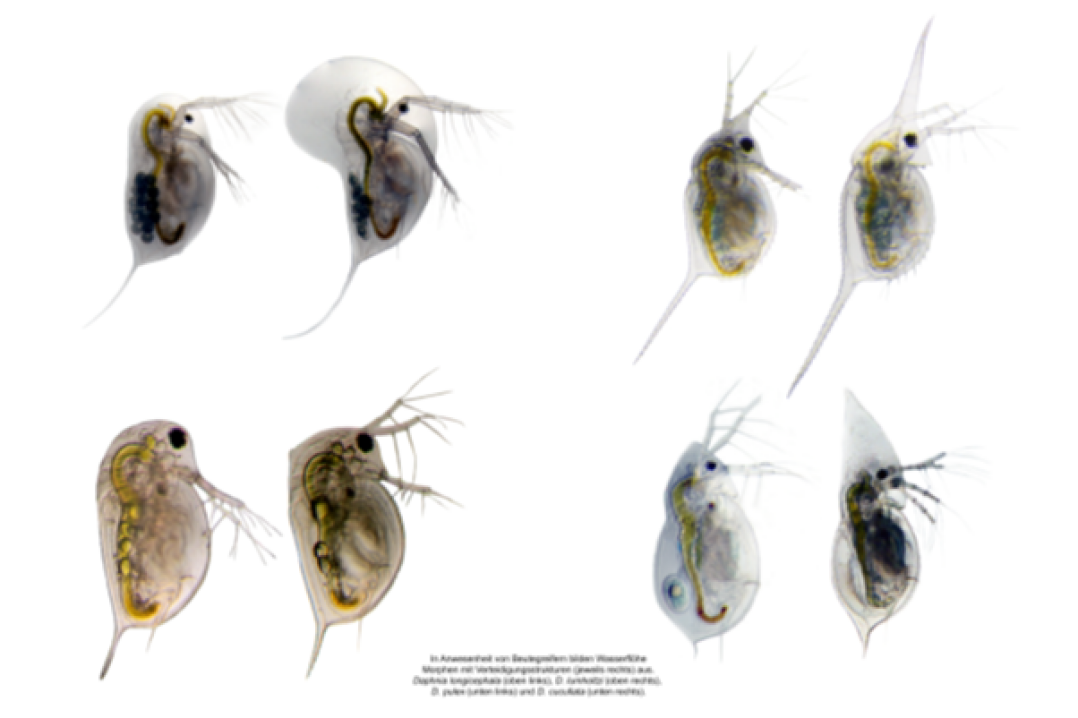
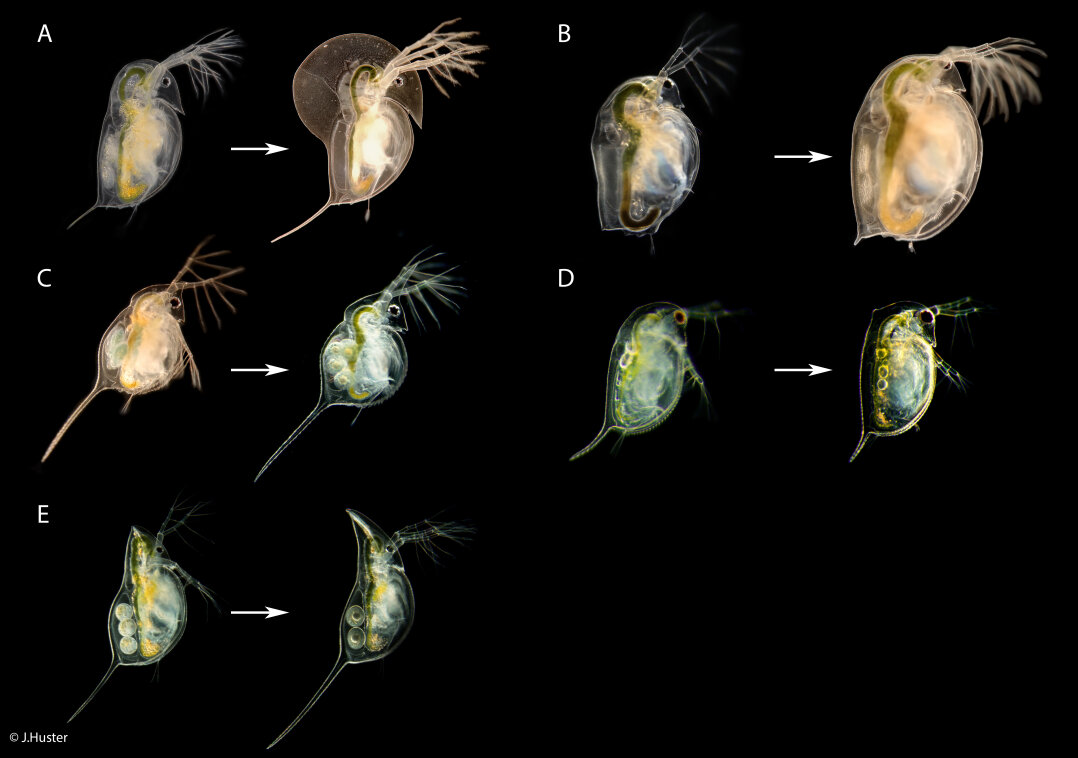
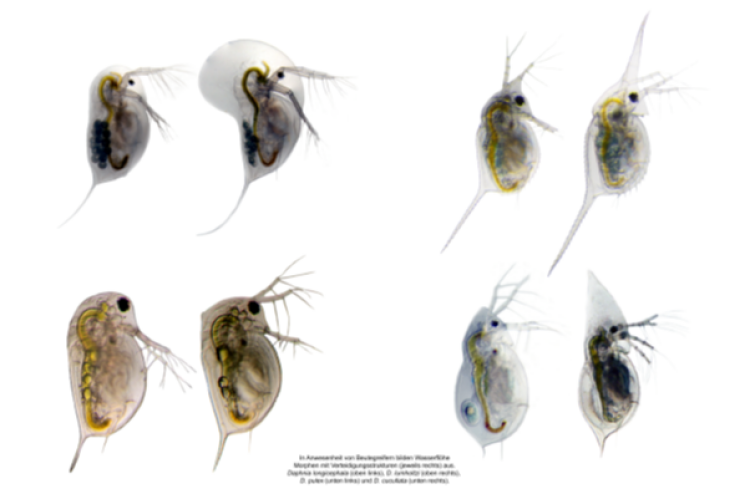
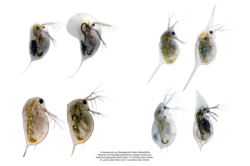
We study how organisms in freshwater ecosystems perceive and respond to their living environment, with a focus on predator–prey interactions and predator induced phenotypic plasticity. Using planktonic crustaceans such as Daphnia or other macroinvertebrate model specis, my group links chemical predator cues, sensory receptors, neuronal and developmental pathways, and the resulting defensive phenotypes to understand how biotic interactions shape individual fitness, population dynamics, and community structure. Phenotypic plasticity allows organisms to adjust their morphology, behaviour, and life histories on ecological timescales, potentially buffering them against rapid, human driven environmental change. At the same time, we ask when global change stressors such as warming, eutrophication, pollution, or biological invasions start to constrain or misdirect plastic responses, for example by increasing energetic costs or disrupting the reliability of environmental cues. By integrating molecular mechanisms with ecological and evolutionary perspectives, our research aims to identify when plasticity promotes resilience in the Anthropocene, and when it may no longer be sufficient to keep pace with global change.
For our research we combine high resolution imaging (light and fluorescence microscopy, sometimes advanced approaches such as ultrastructural analysis) with geometric morphometrics to capture even subtle changes in body shape and carapace architecture. To uncover underlying mechanisms, we apply molecular tools RNAseq and time series, RNA interference to link chemosensory receptors (e.g. IR25a, IR93a), signaling pathways, and cell level processes such as differential growth or cuticle modification to the observed plastic phenotypes. These data are analysed with modern statistical and modelling approaches (e.g. GLMs/GLMMs, reaction norm analysis) to quantify plasticity, its costs, and its context dependence under single and multiple stressors. By combining chemical ecology, developmental and sensory biology, and quantitative ecology in this way, we can link environmental information to organismal responses and, ultimately, to consequences for freshwater food web dynamics under global change.
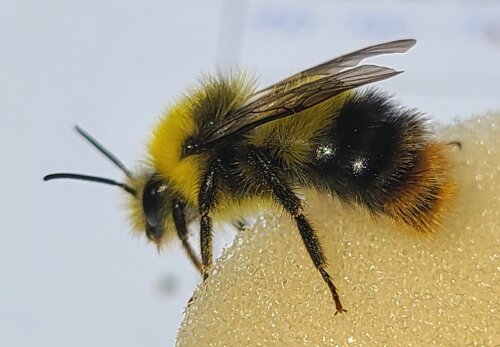
Campus as habitat: Terrestrial biodiversity in the urban context
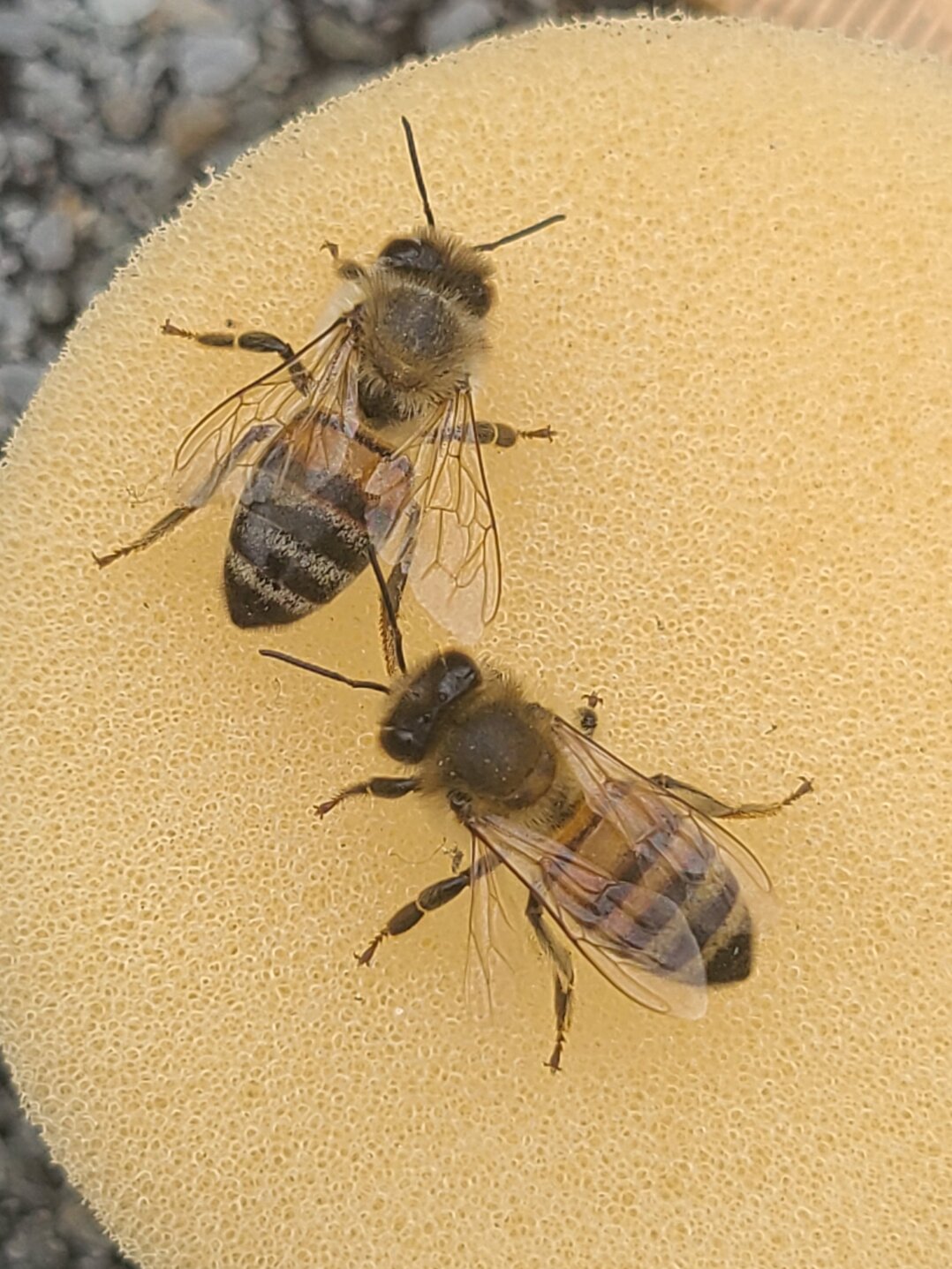
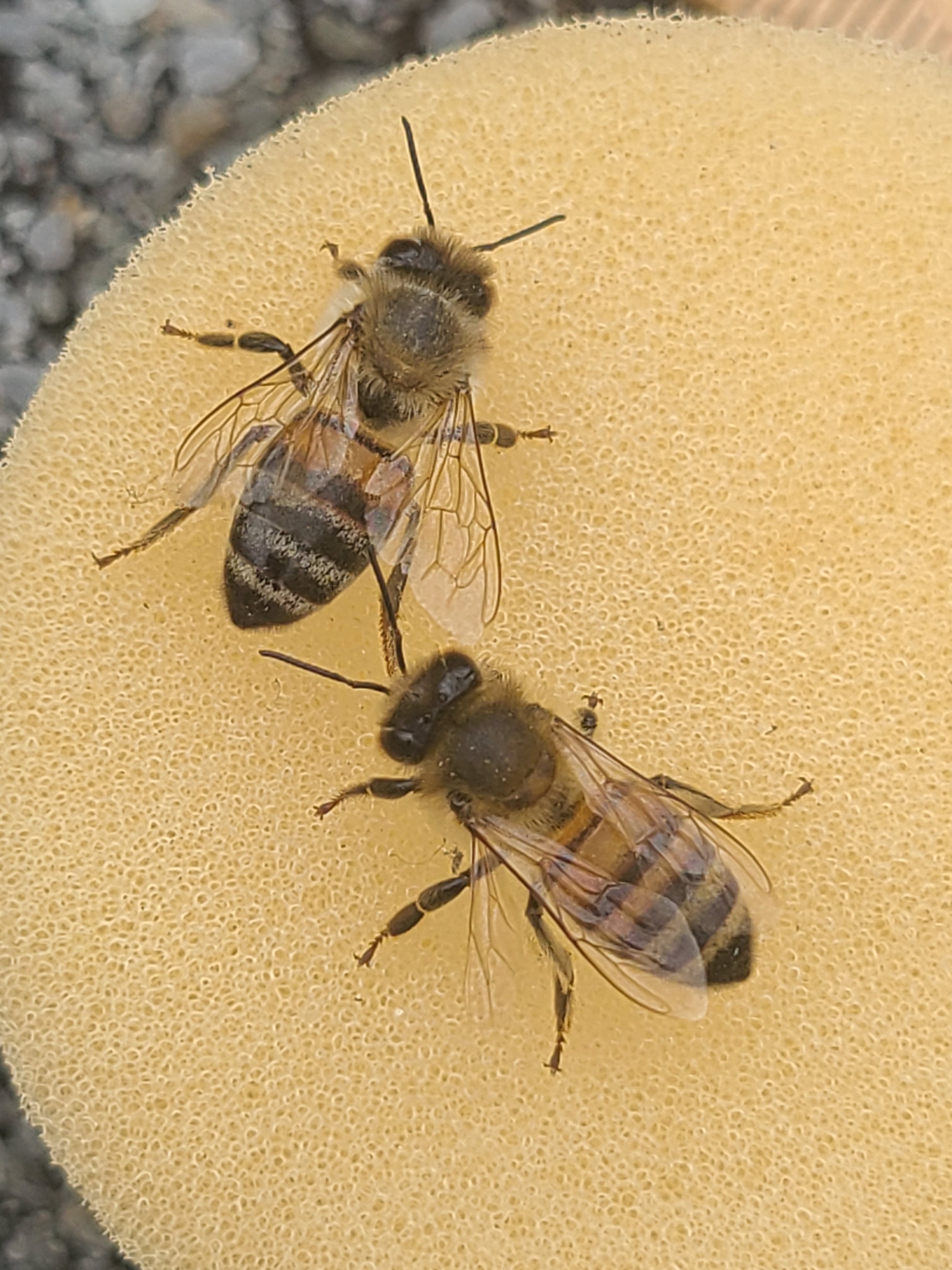
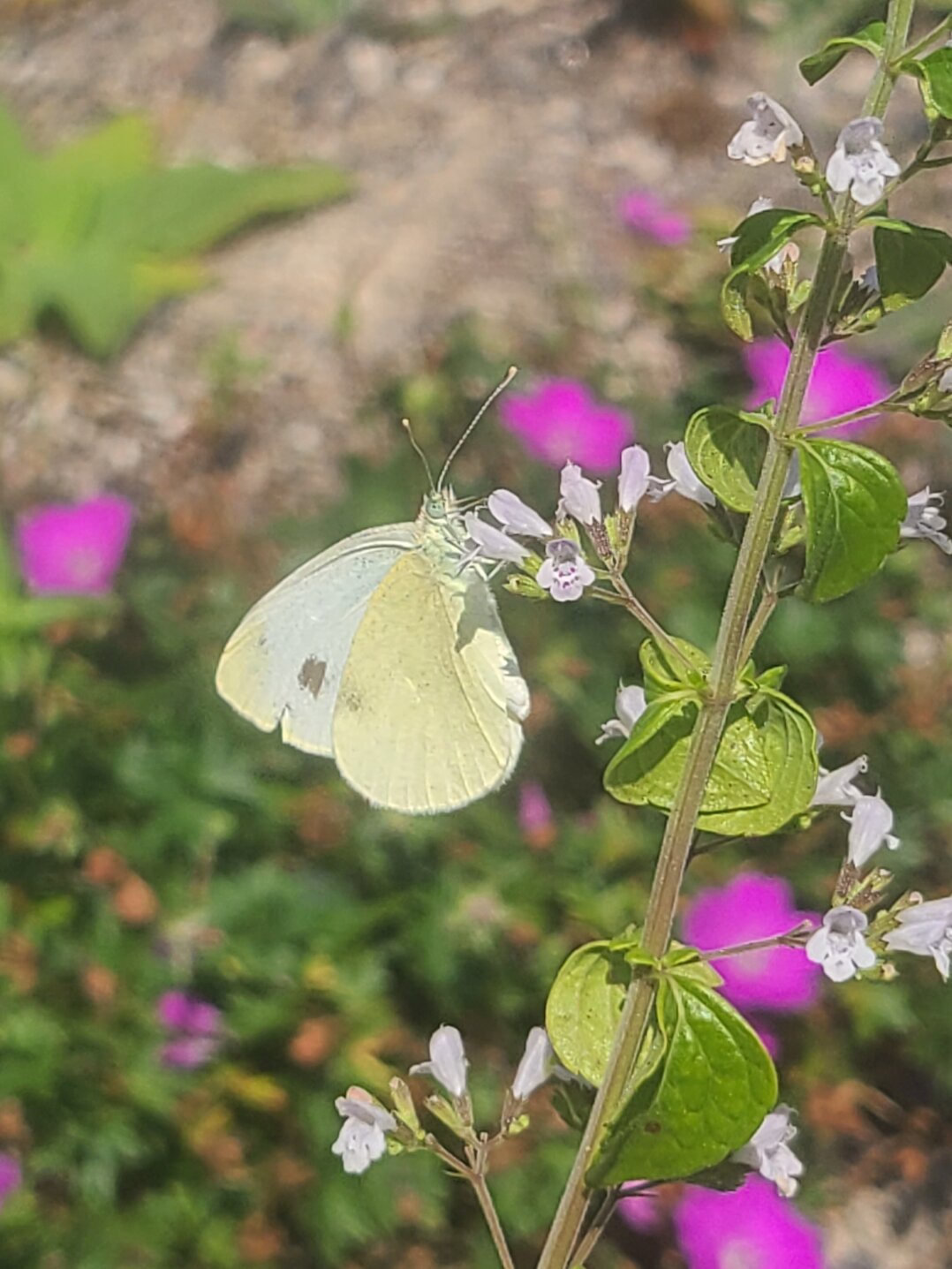
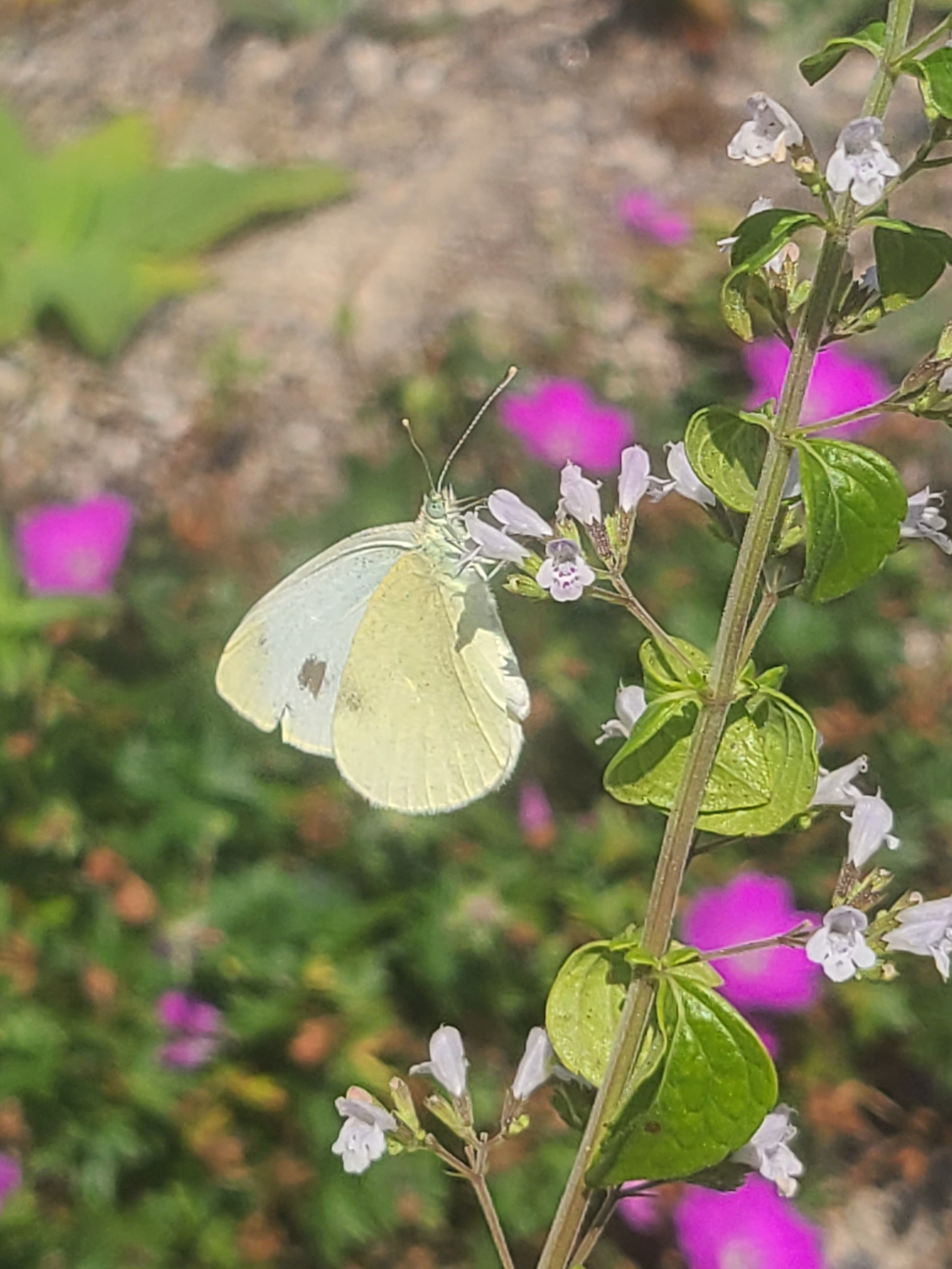
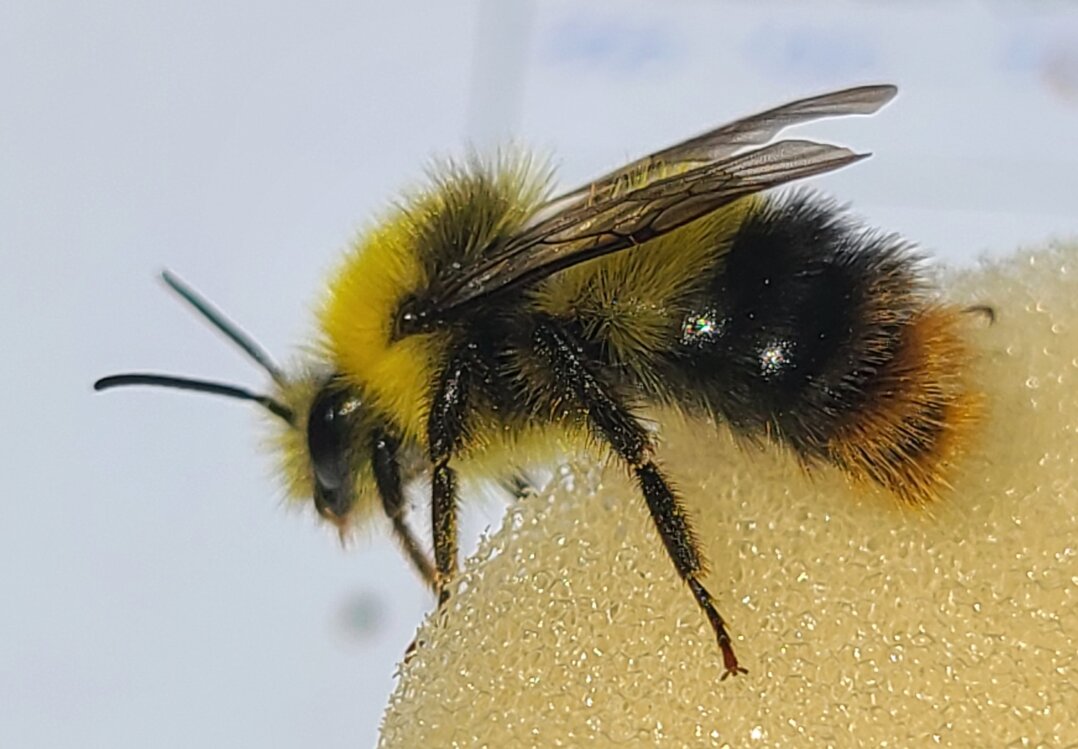
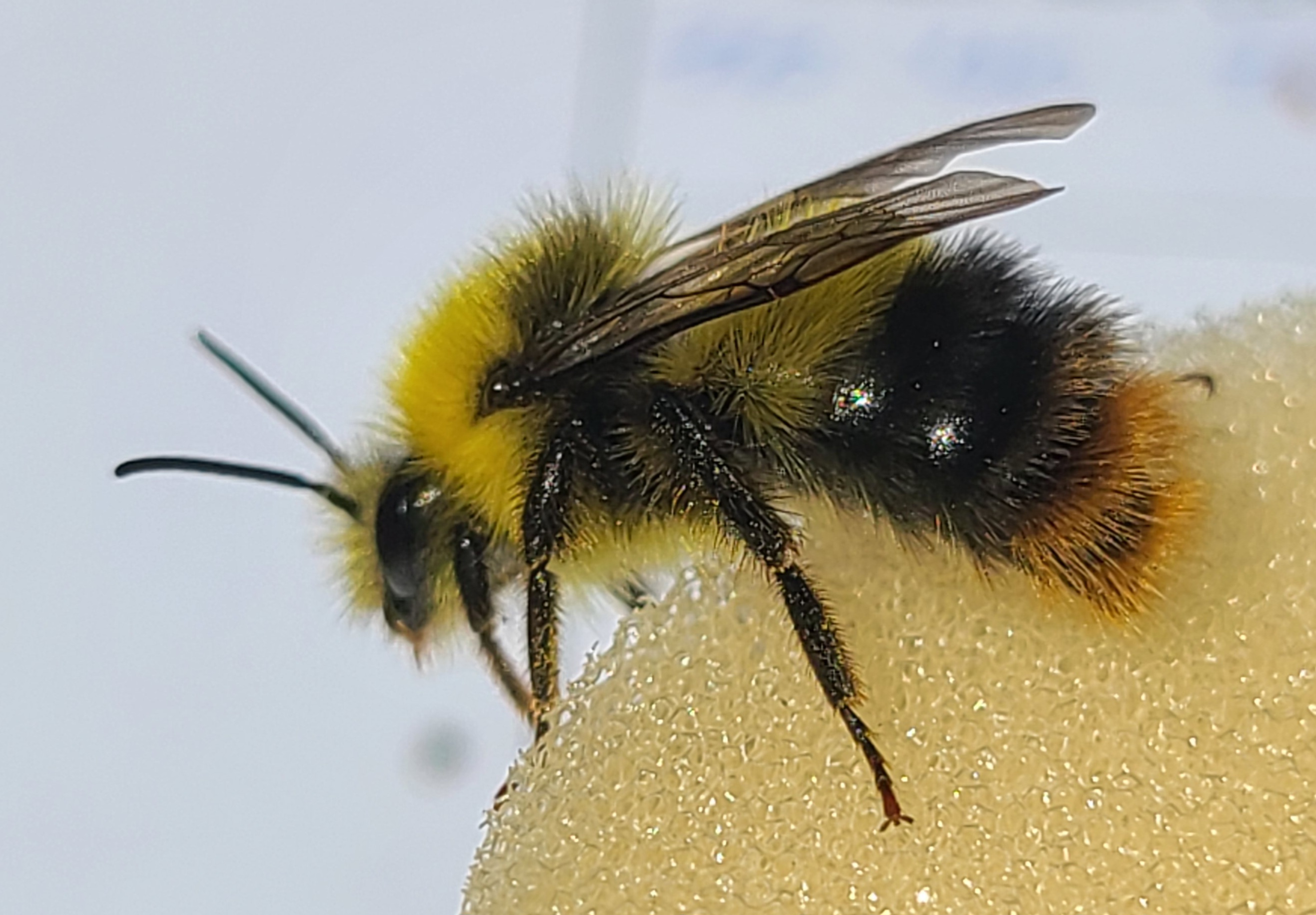
Promoting biodiversity on university campuses is becoming increasingly important – not only as a contribution to nature conservation, but also as part of sustainable land development and teaching.
The campus of Ruhr University Bochum offers an ideal living laboratory for scientifically investigating and further developing measures to promote biological diversity.
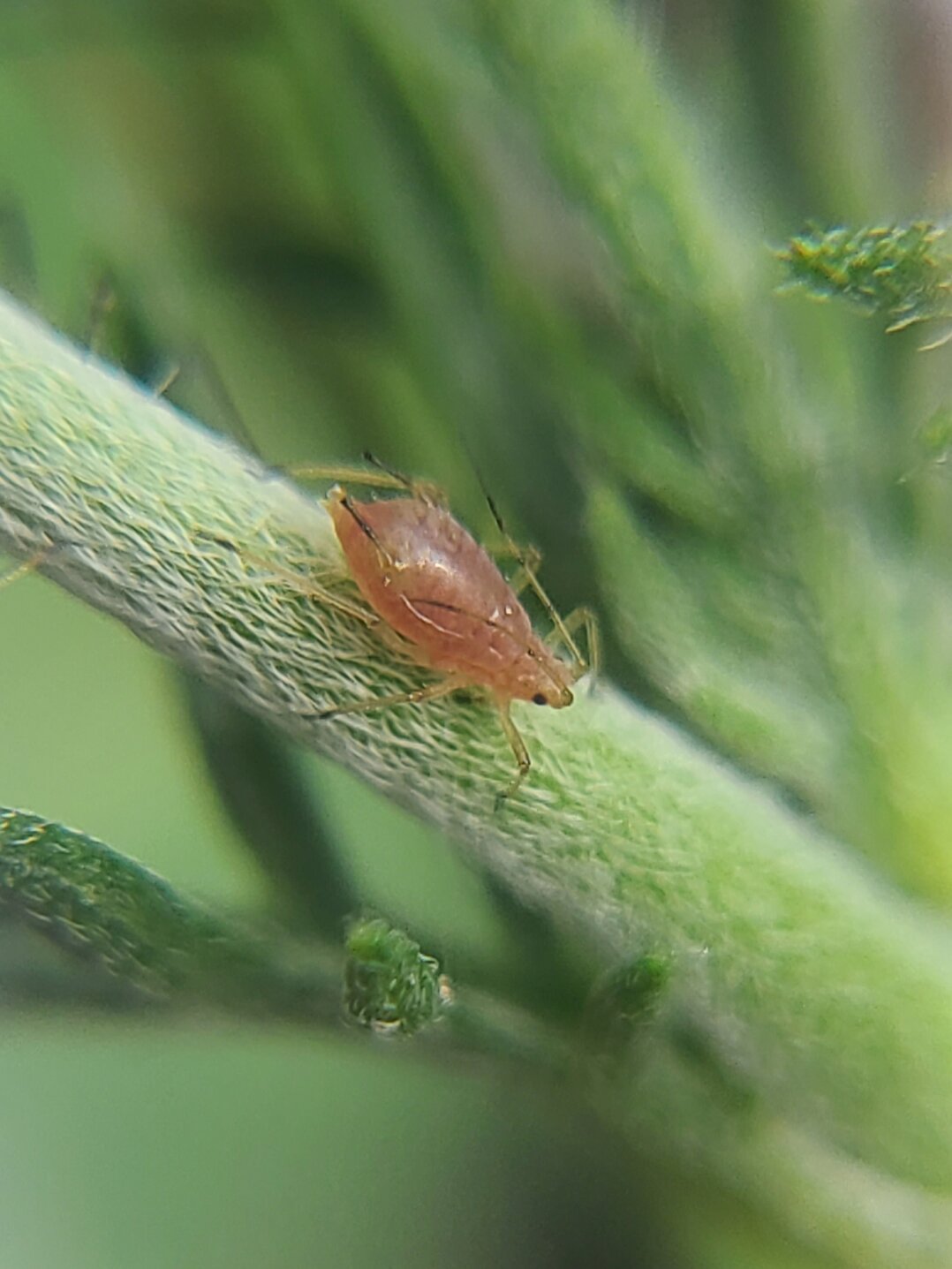
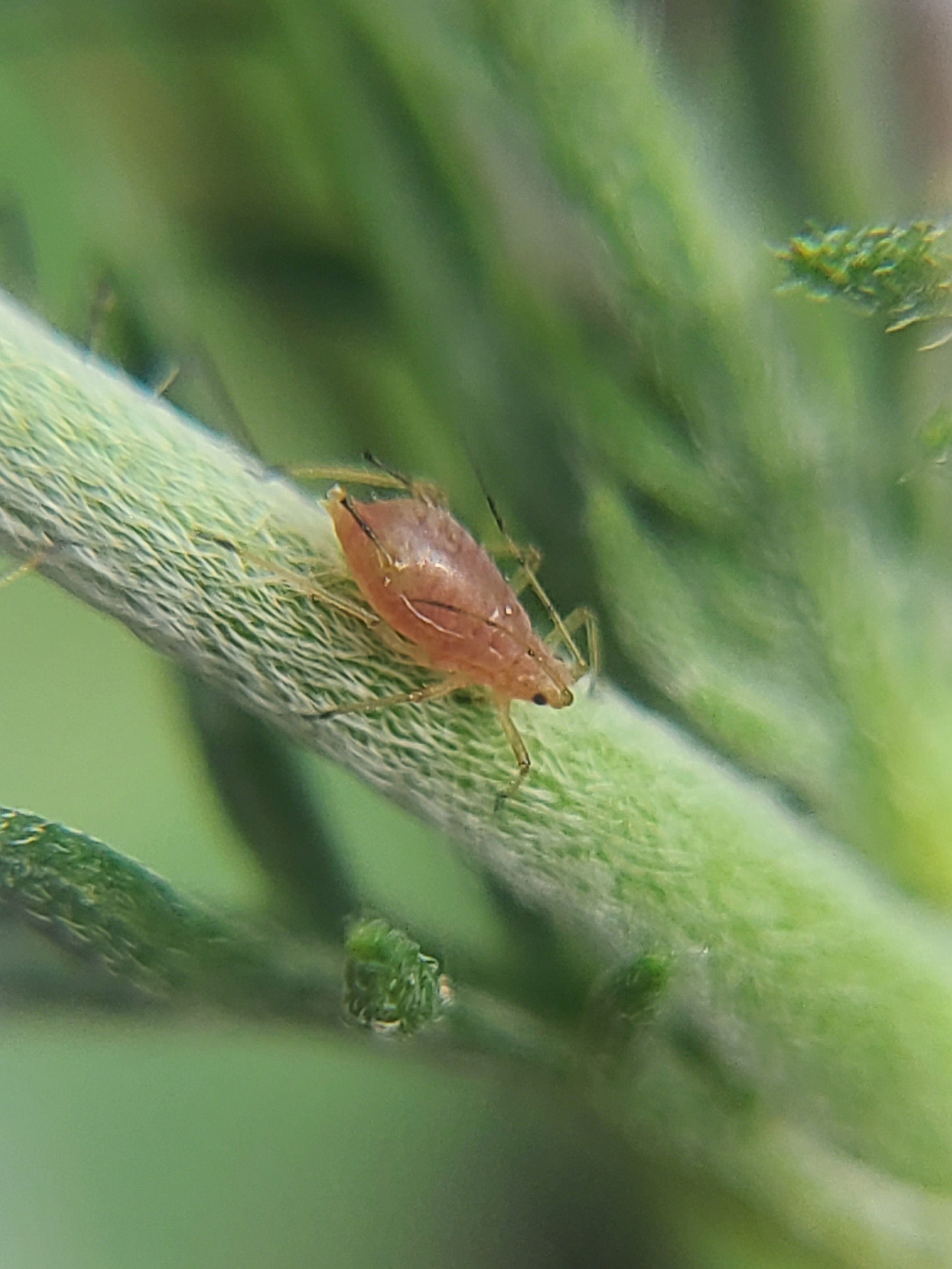
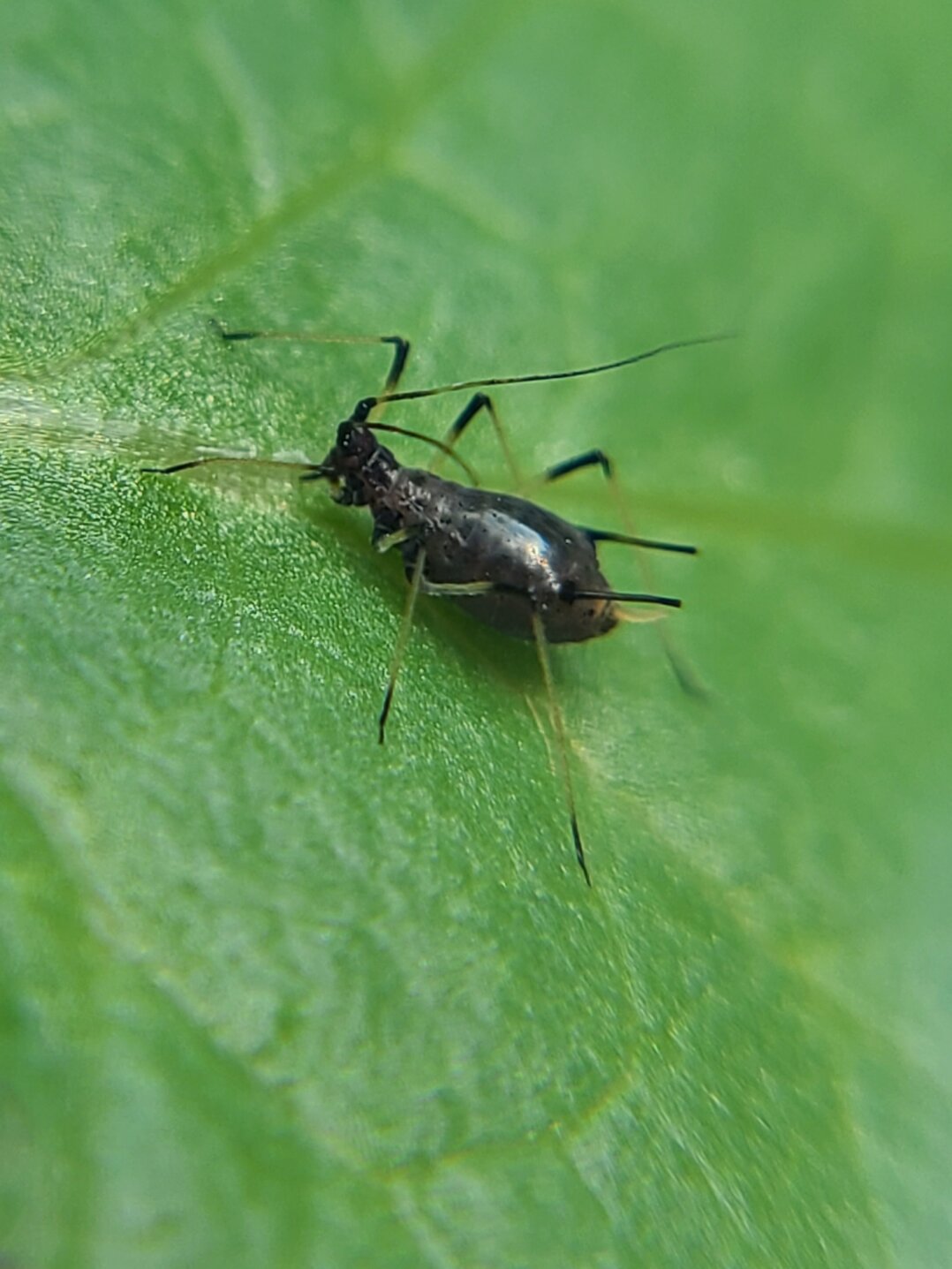
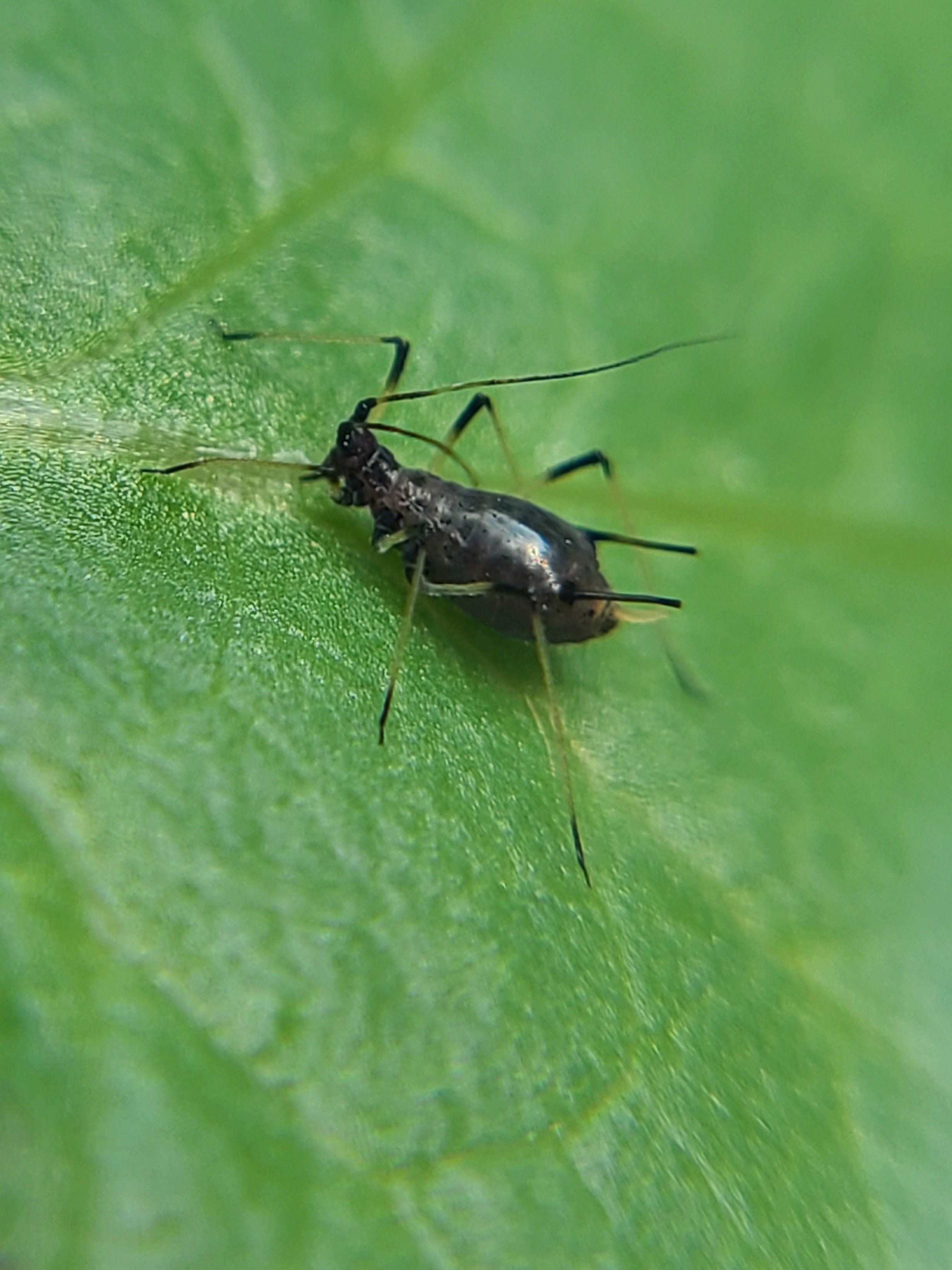
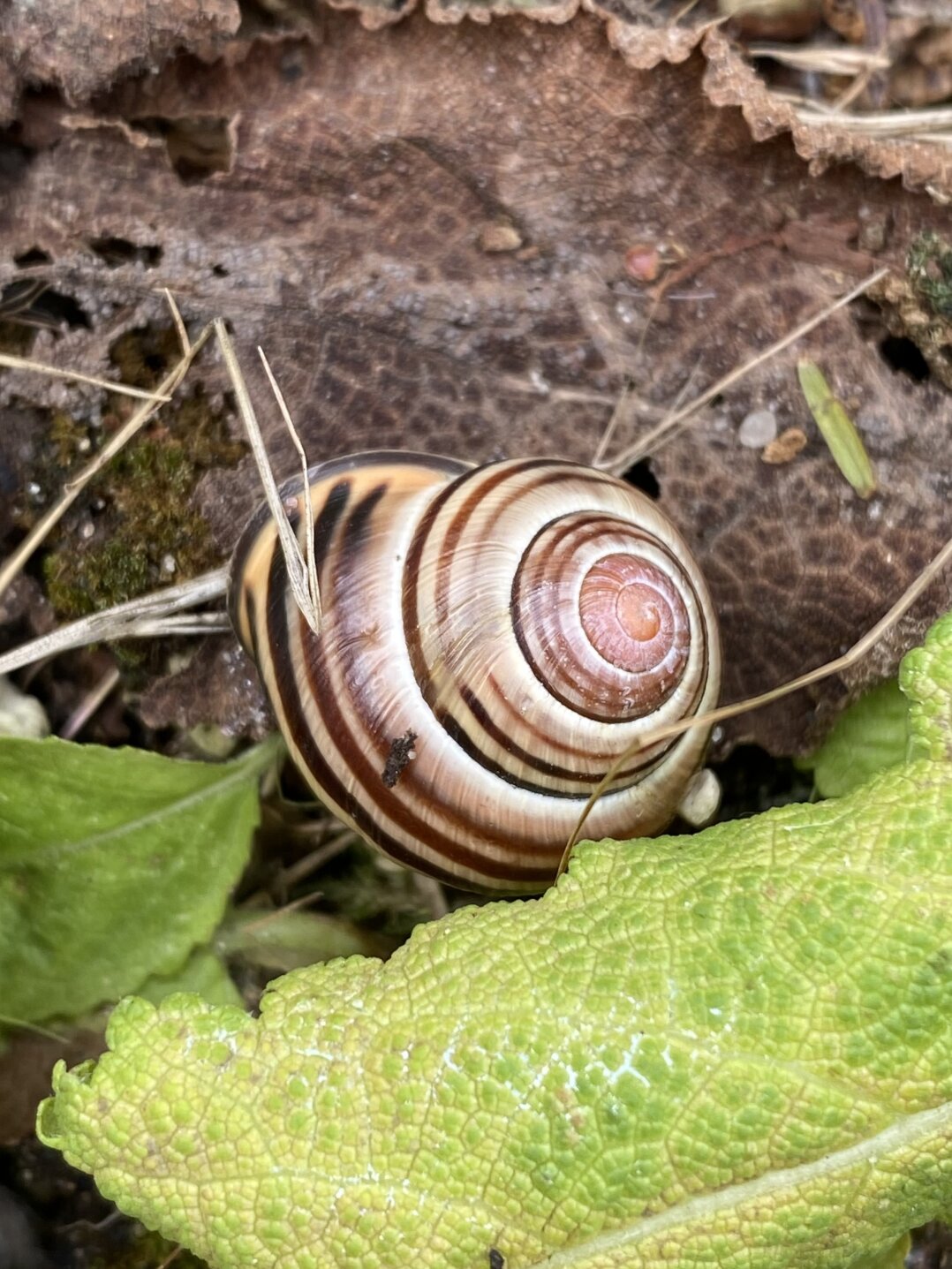
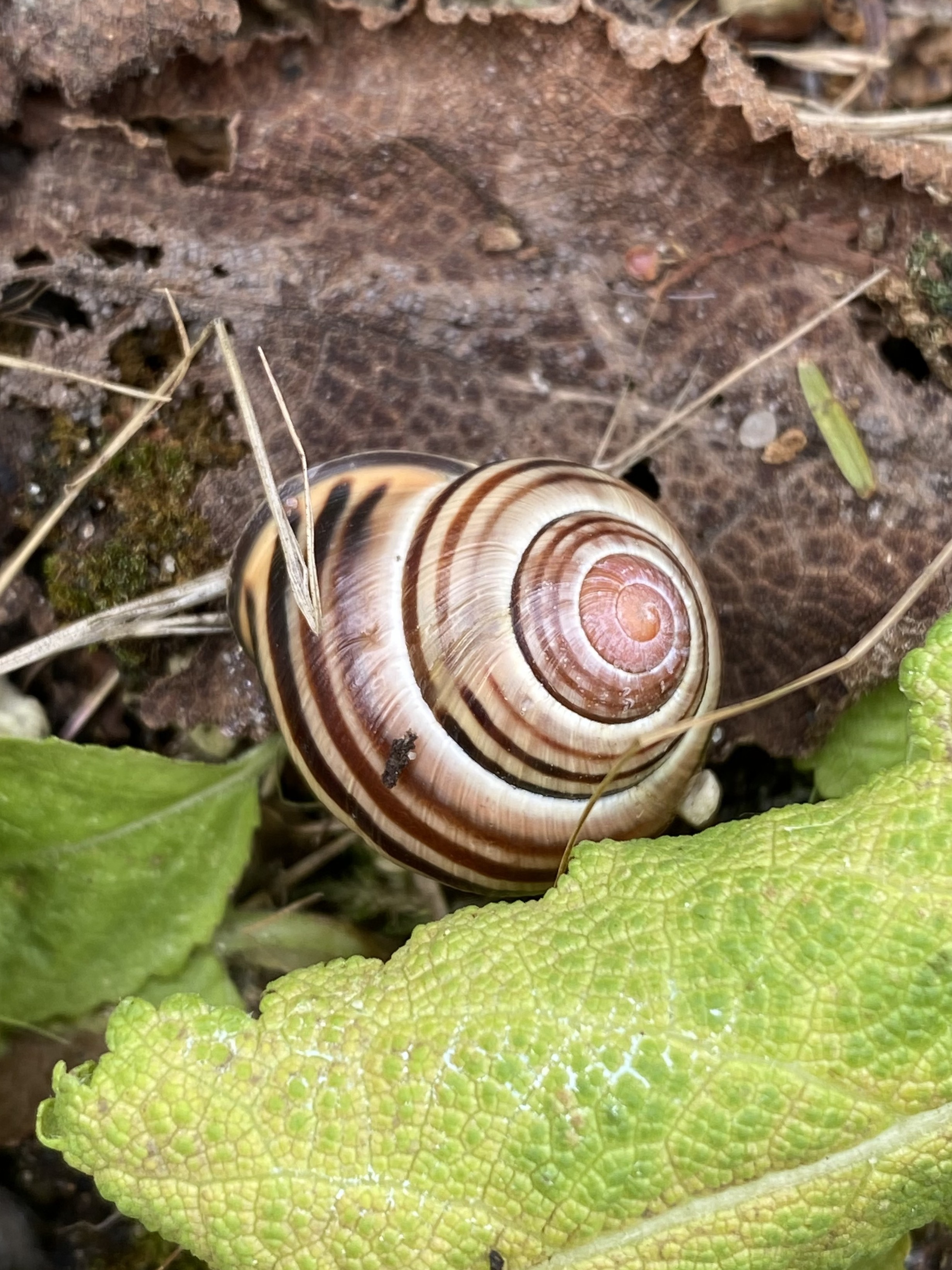
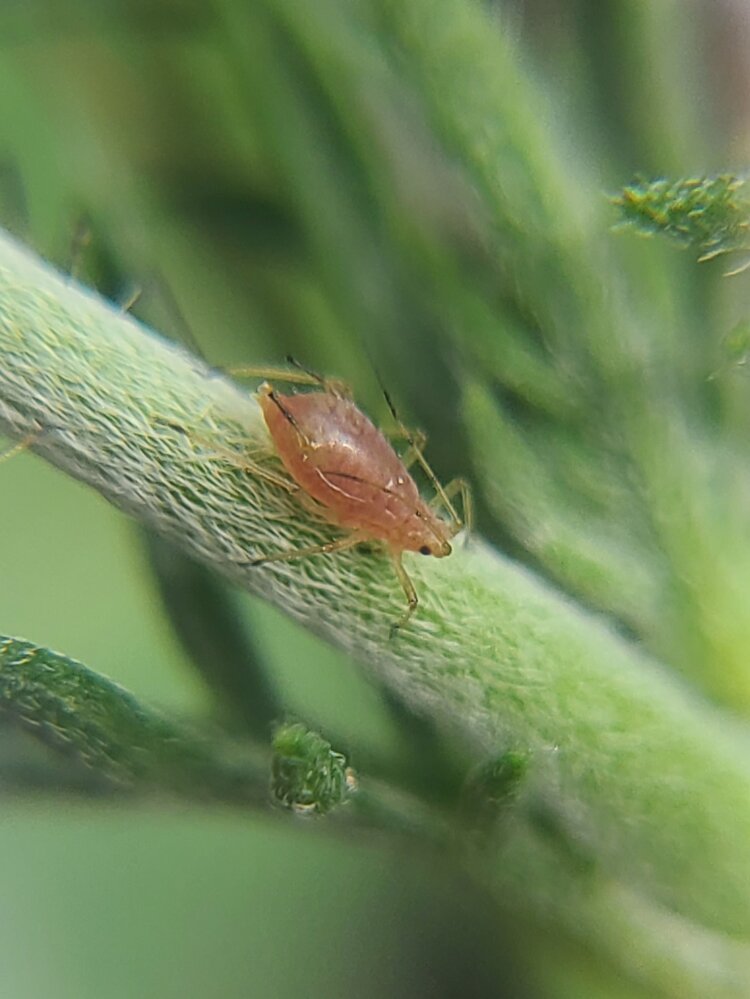
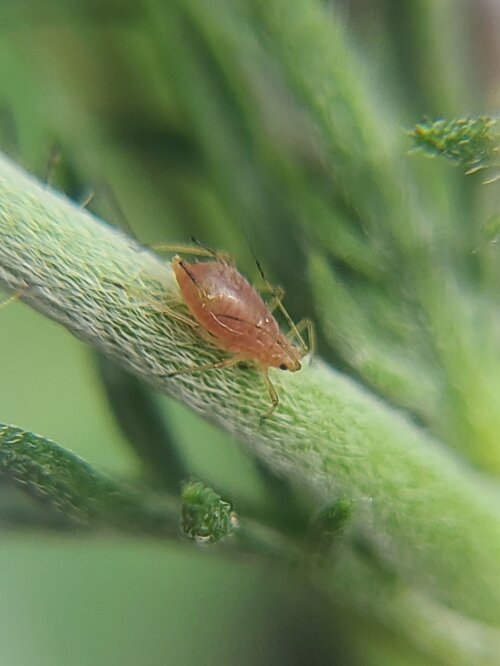
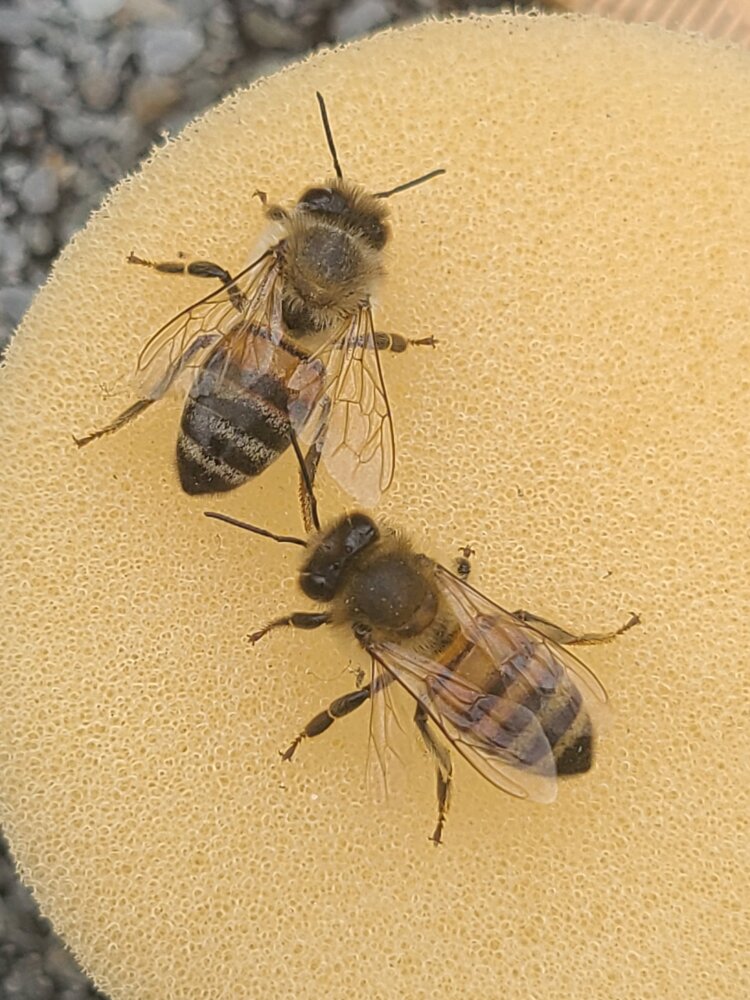
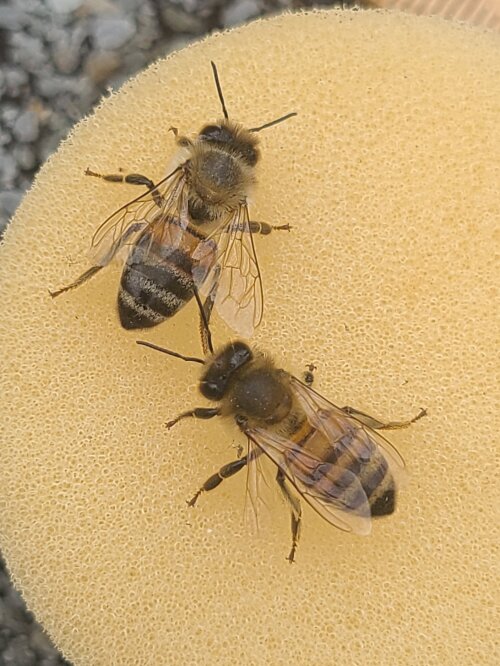
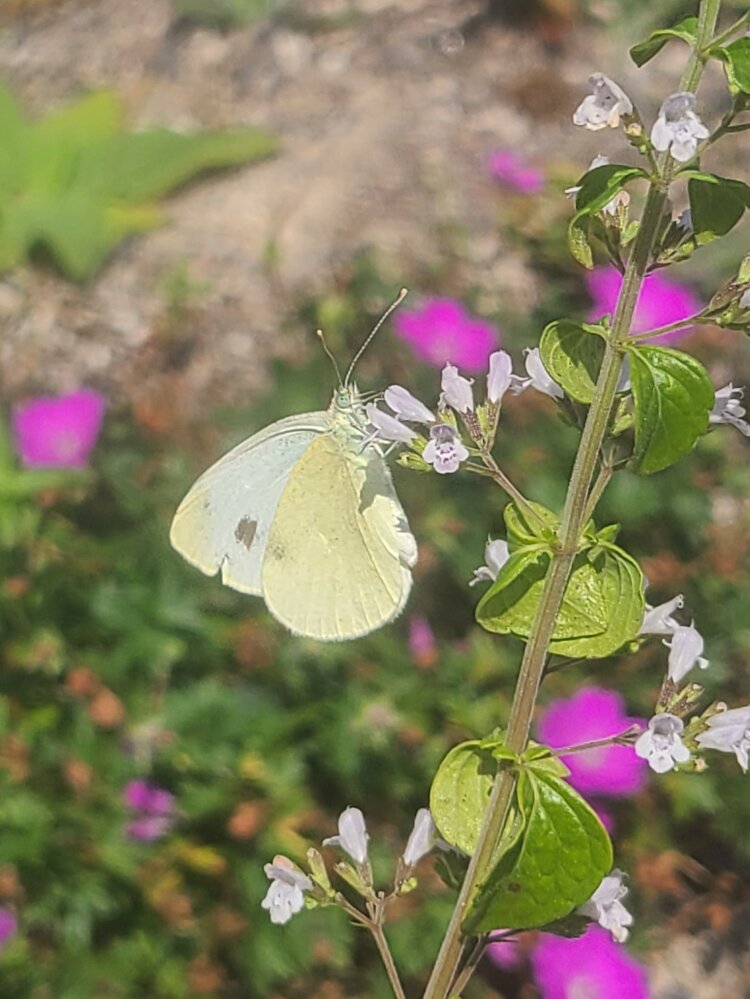
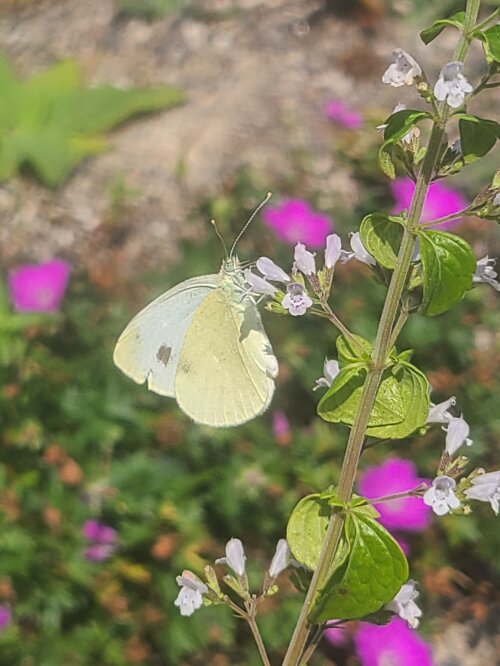
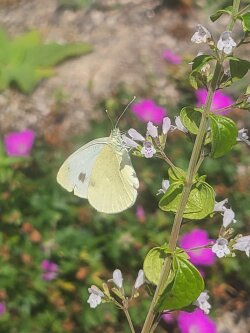
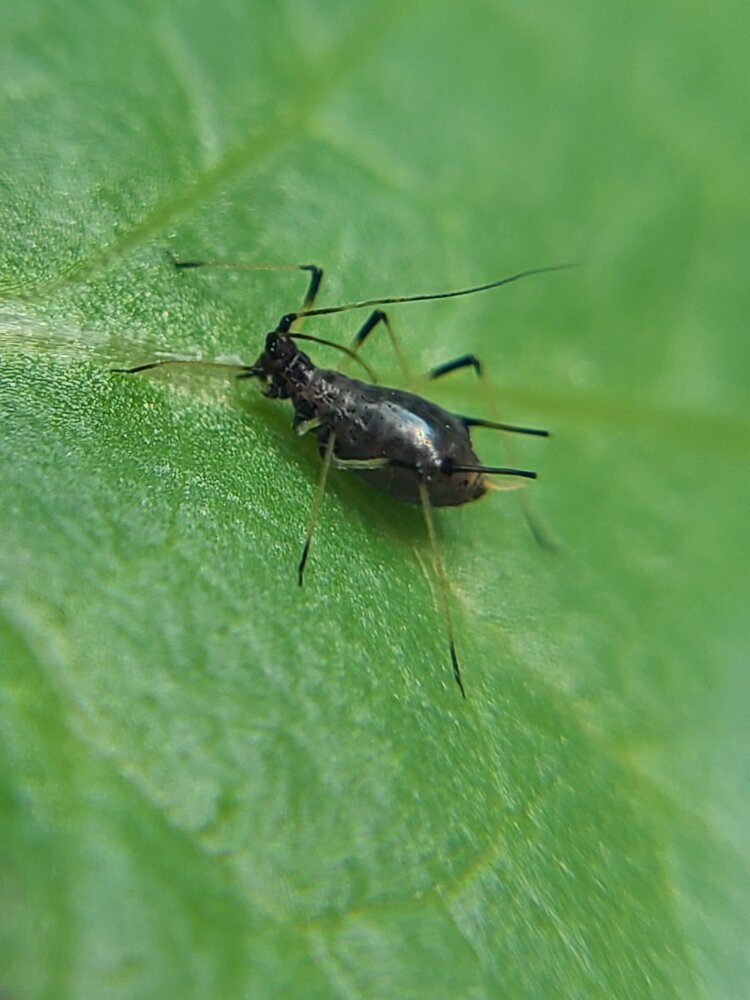
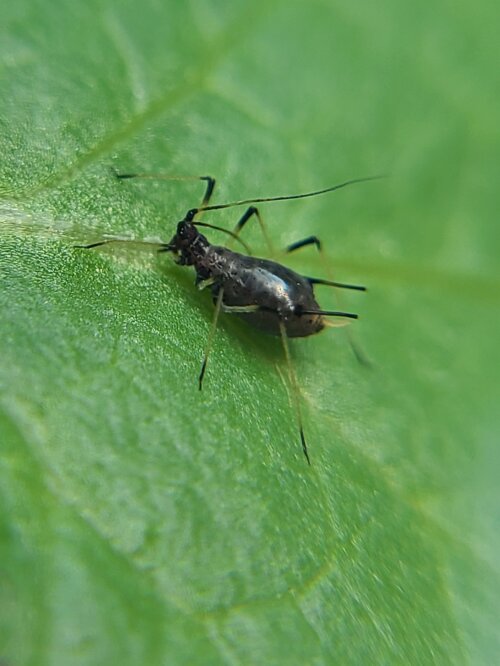
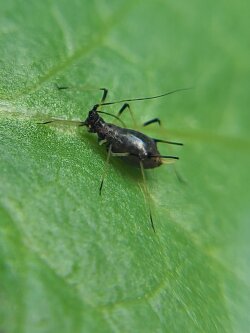
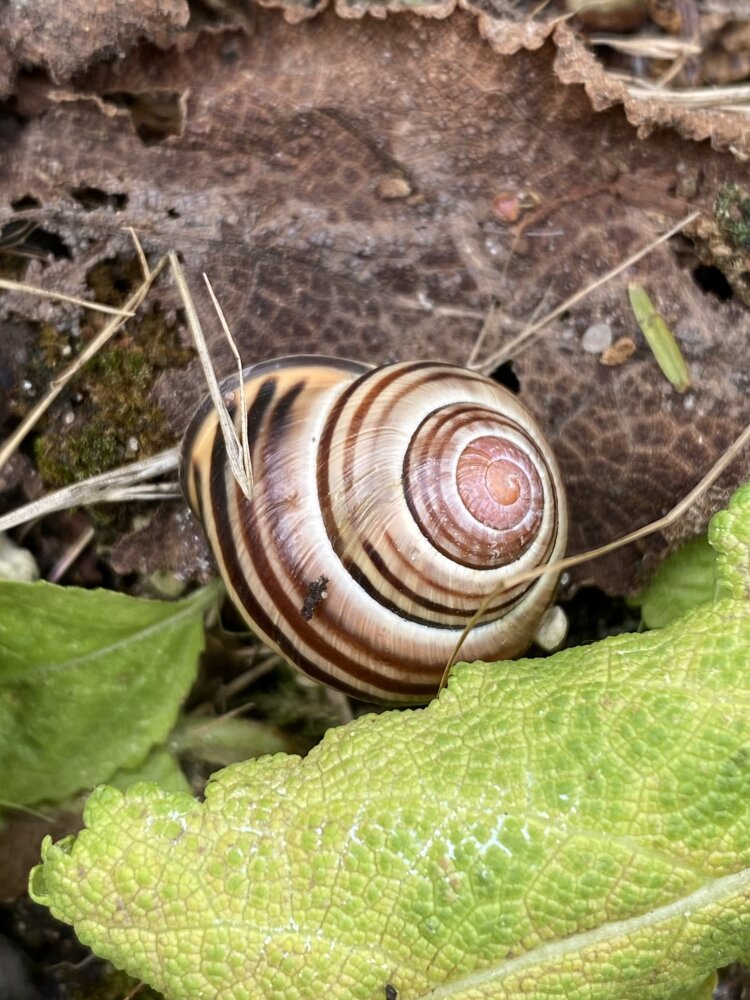
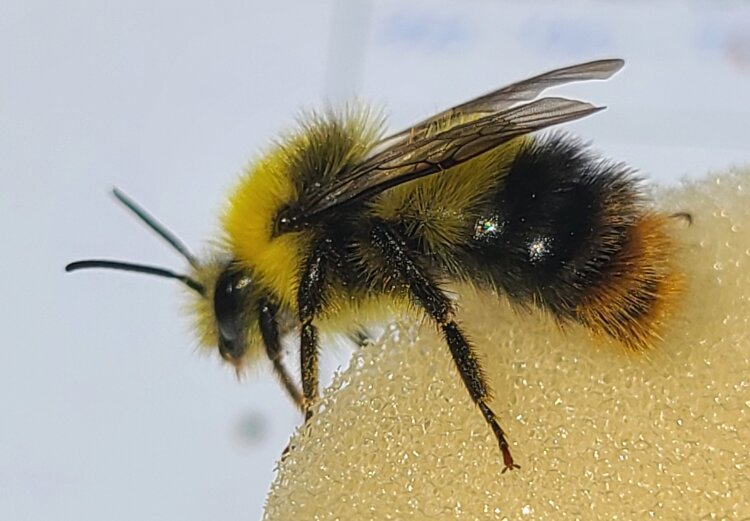
On the campus of Ruhr University Bochum, we first systematically documented existing sites using photographs and recorded invertebrate diversity over a period of two years. These sites were systematically documented with a 360° camera and can be viewed here (THINGLINK). In the second year, a site that had previously not been planted with native species (insert link to species list) was specifically enhanced and then – like all other areas – monitored and analyzed for its biodiversity at regular intervals over the entire growing season (VIDEO). We are currently evaluating the terrestrial biodiversity and will present the results shortly.
Copyright © GCEcology 2026
Last update: May 18, 2026